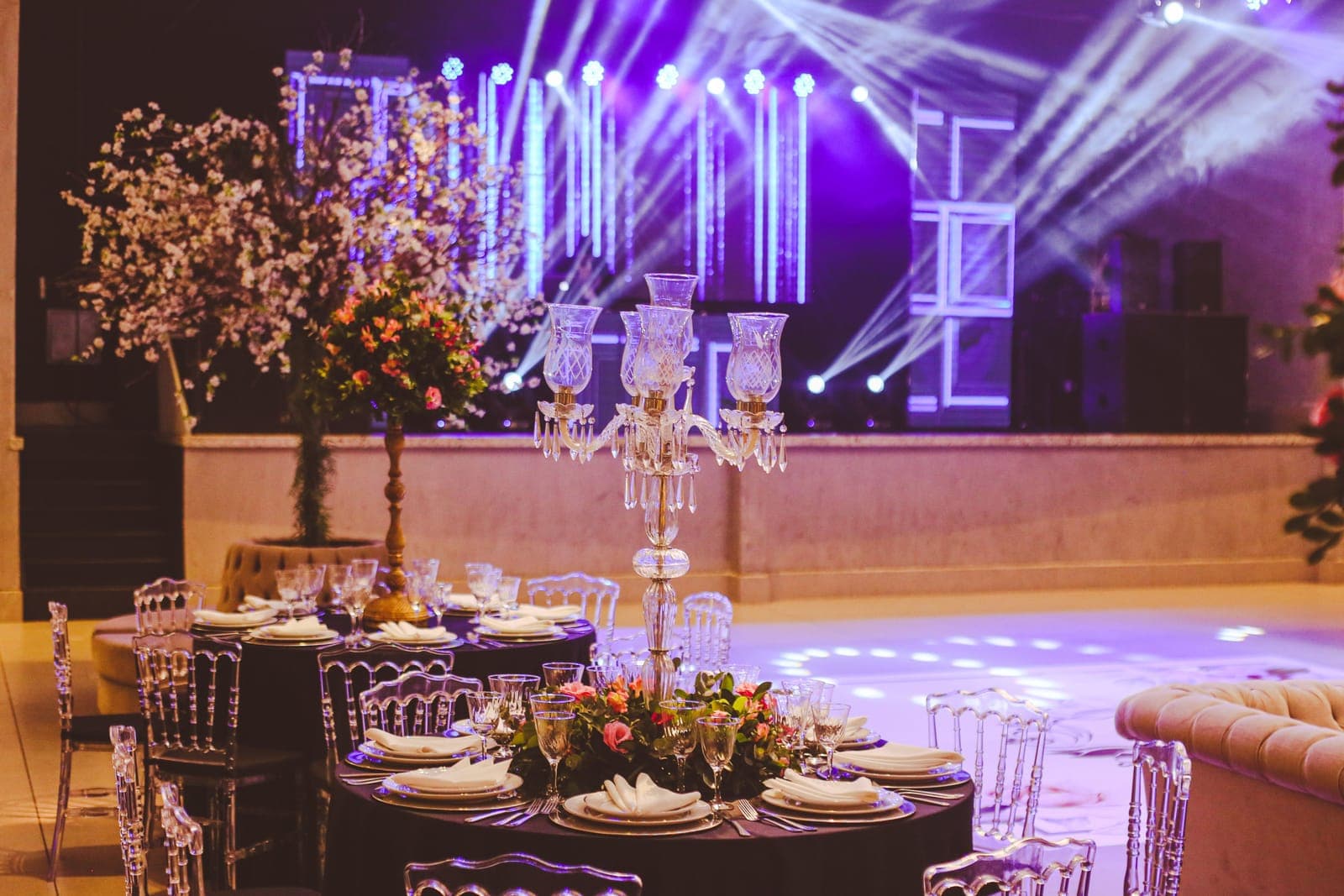
Pre-filled with the example below. Download it as CSV or Excel, or copy it, then make it your own.
A conference budget is easier to get right when you do not start from a blank page. This conference budget template gives you the standard line items, venue, food and beverage, audio visual, marketing, program, staffing, and contingency, plus the income lines that pay for them. You copy it, fill in your real quotes, and delete the rows that do not apply.
What sets a conference budget apart from a plain cost list is the income side. A conference usually earns money back through registration, sponsorship, and exhibitor fees, so this template puts income and costs on one page and shows the net. That is the number that tells you whether you break even, turn a small profit, or have a gap to close.
Use it as soon as you have a goal and a rough headcount, before you sign the venue. The event planning checklist lines up when each cost comes due; this page is the money behind it.

The conference budget template
Copy the two tables below into a spreadsheet. Fill the Estimate column from real quotes, then fill Actual as invoices arrive, so you can see where you drift. Every cost gets its own line and its own cell, so you can total a category instead of forcing it into one number. The bold rows group the lines and note whether a group is mostly fixed, meaning it does not change with headcount, or variable, meaning it moves with attendance.
Expenses
| Line item | Estimate | Actual |
|---|---|---|
| Venue (mostly fixed) | ||
| Room or rental fee | $ | $ |
| Breakout rooms | $ | $ |
| Furniture and equipment rental | $ | $ |
| Internet and Wi-Fi | $ | $ |
| Cleaning | $ | $ |
| Security | $ | $ |
| Setup and teardown | $ | $ |
| Food and beverage (variable) | ||
| Catering and meals | $ | $ |
| Breaks and drinks | $ | $ |
| Service charge and tax | $ | $ |
| Audio visual and production (mixed) | ||
| Sound, screens, and lighting | $ | $ |
| Technicians and labor | $ | $ |
| Recording or live streaming | $ | $ |
| Marketing and registration (mixed) | ||
| Website and design | $ | $ |
| Printing and signage | $ | $ |
| Ads and promotion | $ | $ |
| Registration software and badges | $ | $ |
| Program and speakers (mixed) | ||
| Speaker fees | $ | $ |
| Speaker travel and lodging | $ | $ |
| Session materials | $ | $ |
| Staffing (variable) | ||
| Onsite staff and temporary help | $ | $ |
| Volunteer meals and shirts | $ | $ |
| Contingency | ||
| 10 to 15 percent of the subtotal above | $ | $ |
Income
| Line item | Estimate | Actual |
|---|---|---|
| Registration | ||
| Early bird | $ | $ |
| Member and non-member | $ | $ |
| Student | $ | $ |
| Group | $ | $ |
| Sponsorship | ||
| Tiered packages | $ | $ |
| Branded sessions or meals | $ | $ |
| Exhibitor and booth fees | ||
| Booth rentals | $ | $ |
| Add-on services and lead lists | $ | $ |
| Grants and support | ||
| Department funding, grants, rebates | $ | $ |
| Add-ons | ||
| Workshops and VIP dinners | $ | $ |
| Recordings and merchandise | $ | $ |
Bottom line. Total income minus total expenses is your net. A positive number is profit. A negative one is the gap you close by raising registration, adding a sponsor, or cutting a cost.

What goes in each section
Most of the template is quick to fill once you have quotes. A few lines are where budgets go wrong, so give them the time.
Venue is usually your largest fixed cost and the one that hides the most. Ask for an all-in quote in writing, not a room-only rate, and book early, because the date and the room shape most of the rest.
Food and beverage and audio visual are the two biggest controllable lines. GoGather's 2025 conference data put food and beverage at 32.5 percent of the average budget and audio visual at 19 percent, so this is where careful negotiation pays off most. On food, add the service charge and tax; a hotel can put another 20 to 25 percent on top of the menu price before you see the final invoice.
Contingency is not optional. Hold 10 to 15 percent of your total costs for the surprises you cannot name yet, and push it toward 20 percent for a first-time or outdoor event. Costs have been climbing, so budget for the increase: in the Amex GBT forecast, most planners expected per-attendee costs to rise again this year.
The income lines are what make this a conference budget and not a cost sheet. Registration is usually the largest, and sponsorship and exhibitor fees are typically the next. With both, the average conference in GoGather's data earned $1.8 million against a $1.62 million budget, so many conferences aim to profit, not only to break even. Remember that comped and discounted seats for speakers, sponsors, and staff lower your paid registration, so budget the net, not the full room.
The line no template prints is your own time. The weekend you spend chasing speaker decks, sponsor logos, and exhibitor insurance forms is real labor, and no budget row ever shows it. A workflow that collects those files through one link, named and sorted for you, hands that weekend back, which is worth more than most of the swag you are pricing.
How to use it
A budget is only useful if you check it against reality while there is still time to act.
- Build it before you book anything, so your category limits are set before the venue and catering contracts lock them in.
- Keep one owner and one source of truth. When three people each keep a private copy, the numbers drift until the invoices land.
- Update the actual column weekly, and reconcile every planned line against what you spent within two weeks of the event.
- Start from last year, but zero-base a first event. For a scope you have never run, build each line from zero so every cost justifies itself. For the full walkthrough of categories, hidden costs, and how much contingency to hold, read how to build an event budget that holds up.