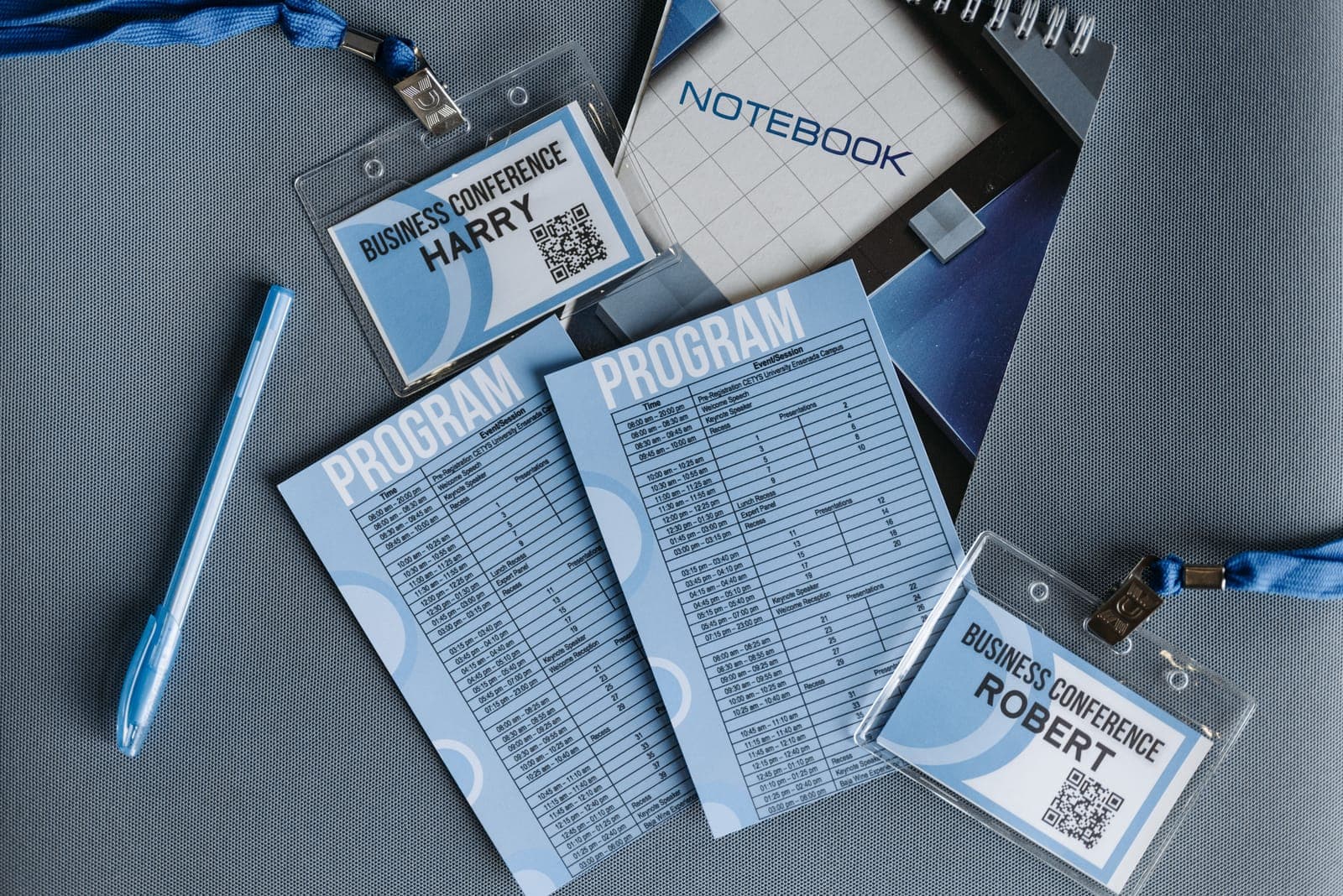
Abstract submission is how researchers apply to speak or show a poster at a conference. Each author answers your call for abstracts with a short summary of their study, called an abstract. A review committee scores each one and decides which become talks or posters.
What goes in an abstract
Most abstracts follow the sections of a short research paper: background, methods, results and conclusions. The submission form also collects the title and each author's name and affiliation. Forms often add a topic, a talk or poster preference and a conflict-of-interest disclosure.

How abstract submission works
The whole process, from your call to the presenters' final files, is often called abstract management. It usually runs in five steps:
- Call for abstracts. You publish the topics, the word limit, the format rules and the deadline.
- Submission. Authors submit abstract text and author details in an online form before the deadline.
- Review. Reviewers score each abstract against several set criteria, usually without seeing who wrote it. At ASCCP, a US medical society, three reviewers rate every abstract from 1 to 5.
- Decisions. The program committee ranks the abstracts by score and assigns each accepted one to a talk or a poster.
- Final files. Accepted presenters register by a set date and send their slides or e-poster. A presenter who misses the registration date can lose their place in the program.

Word limits and deadlines
Many calls cap an abstract at 250 to 350 words, not counting the title and author list. Some count characters instead: EAACI, the European allergy society, allows 2,500 characters including spaces, about 350 words.
Large international congresses often close their call about nine months before the event. Decisions follow one to three months later. Smaller meetings can run much tighter: the Canadian Nutrition Society closed its 2026 call on January 31 and sent decisions on March 11, eight weeks before its May conference.
What it means for the organizer
Once decisions go out, your job shifts to collecting slides and e-posters from every accepted presenter and getting each abstract into the conference program. With Submitto, presenters send their files through one link, and you see who has not sent theirs yet.