Skip to content
Glossary

What Is an Event Brief?

2 min read
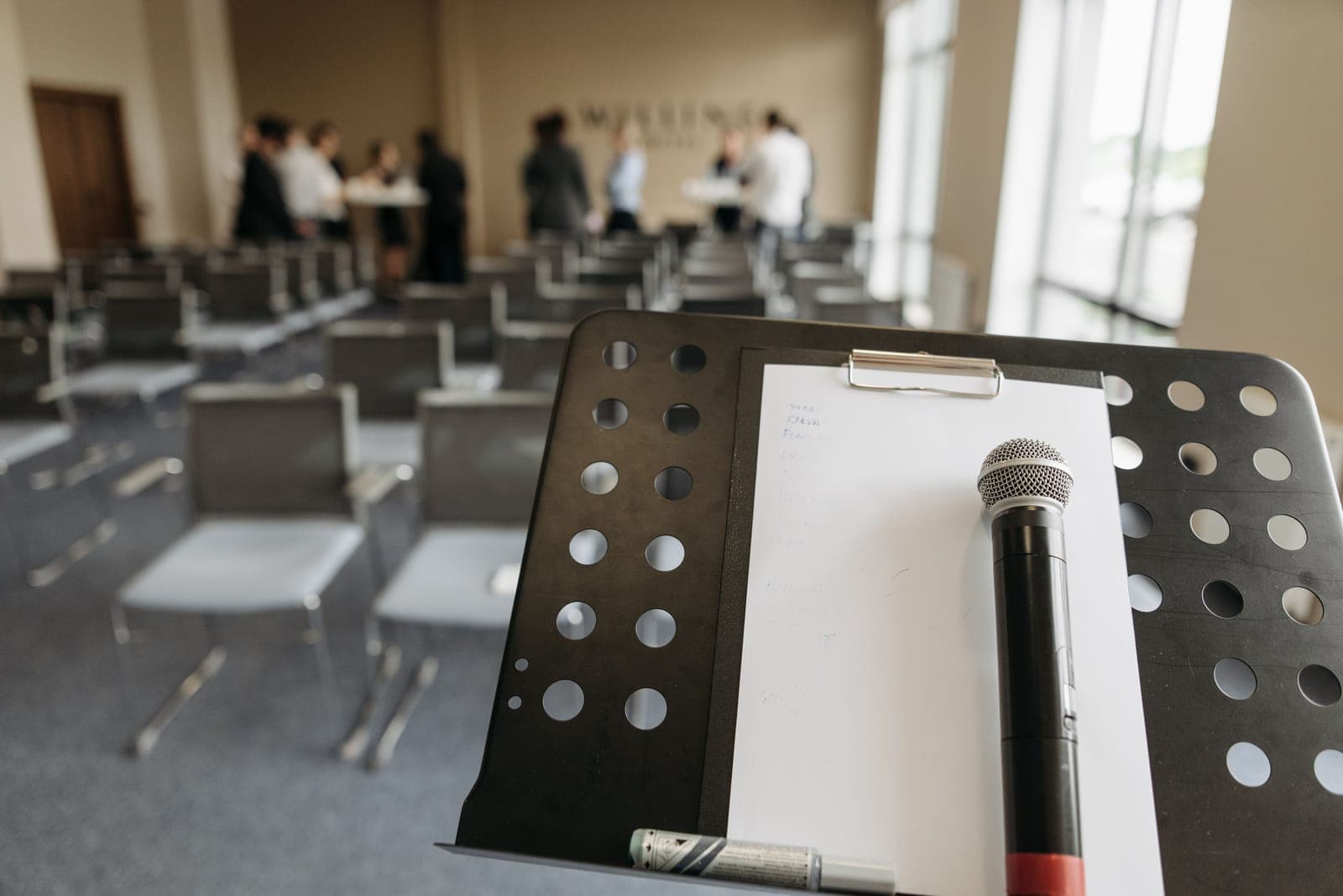
Close-up of a microphone on a clipboard at a conference table with blurred attendees networking in the background.
An event brief is the one- or two-page summary of an event's goals, audience, budget and key dates that everyone plans from.

An event brief is a one- or two-page summary of an event that the whole team plans from. It covers the purpose, the audience, the budget, the key dates and who signs off. Venues and agencies often get a version of it too, so their quotes match your plan.

What goes in an event brief

Most briefs open with an overview: the event name, dates, format and location. Write the objectives as numbers, such as 150 registrations, so you can report on them afterward. Some organizations use a longer form: Simon Fraser University's events office has 14 sections, including core messages, risks, the guest list and catering.

Colleagues in business clothing conferring over an open notebook, phones, and a laptop in a hotel event lobby.
Write it before you book anything, then keep one shared copy up to date as the details firm up. Photo by A Darmel

Who writes it, and when

Usually the event manager or lead organizer writes it at the start, before anything is booked. Keep one shared copy and update it as details firm up, instead of emailing versions around.
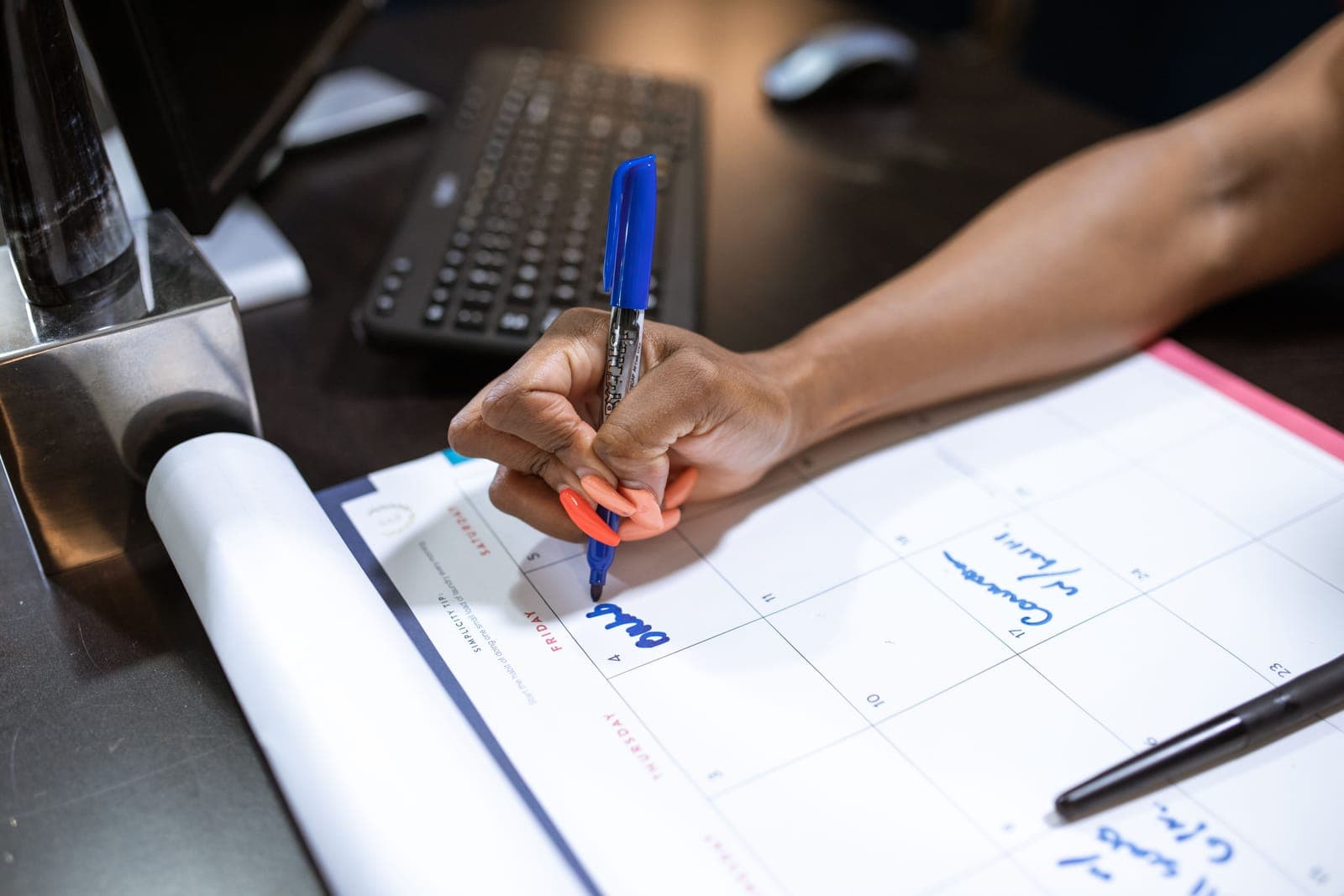
Hands of a person holding a pen while writing on a calendar or schedule at a desk with laptop in background.
When you hire an agency or ask a venue for a quote, your brief comes first and their proposal answers it. Photo by Rdne

Event brief vs proposal vs run of show

If you are pitching your own event to a client, a sponsor or your leadership, the proposal comes first. It asks for approval and funding, so it has to persuade. Once the event is approved, the brief keeps the team on one plan. It only has to be clear. Hiring a venue or an agency works the other way round: you send your brief first, and their proposal answers it. The run of show comes last: the minute-by-minute plan your crew works from on event day.

Need the go-ahead first? Use the event proposal template, then fill in the one-page event brief template once it is approved.

The files your brief should list

A useful brief also lists the files you need from other people: speaker slides, headshots, sponsor logos and exhibitor insurance certificates, each with a due date. With Submitto, you send each group one upload link and see who is still missing.

FAQ

Questions, answered.

What is the difference between an event brief and an event plan?

The event plan is the full working detail: every task with a date and an owner, the supplier bookings, the schedule and the budget line by line. The brief is the short version you can read in a few minutes: the goals, budget and dates the plan has to meet. Most teams write the brief first and build the plan from it. Both keep changing until the event.

Is an event brief the same as a venue RFP?

No. The brief stays with your team. When you ask venues for quotes, you send a request for proposal (RFP) built from it. Give the venue your dates and how flexible they are, the expected numbers, start and finish times, and when you need access for setup. Then explain how the day runs. A room that holds everyone can still be the wrong room if the day has several rounds of breakouts. Add your AV needs, catering times, accessibility needs and a budget range. Without a budget range, any quote you get back is a guess.

Should you share the brief with sponsors and suppliers?

Share a trimmed version. Sponsors and suppliers need the purpose, the audience, the dates and the format to do their part. Internal detail such as the full budget breakdown and any sensitive risks can stay in the team copy.

Test it out for free, no credit card required

Set up your event in about 10 minutes.

or

No sales call, no subscription.