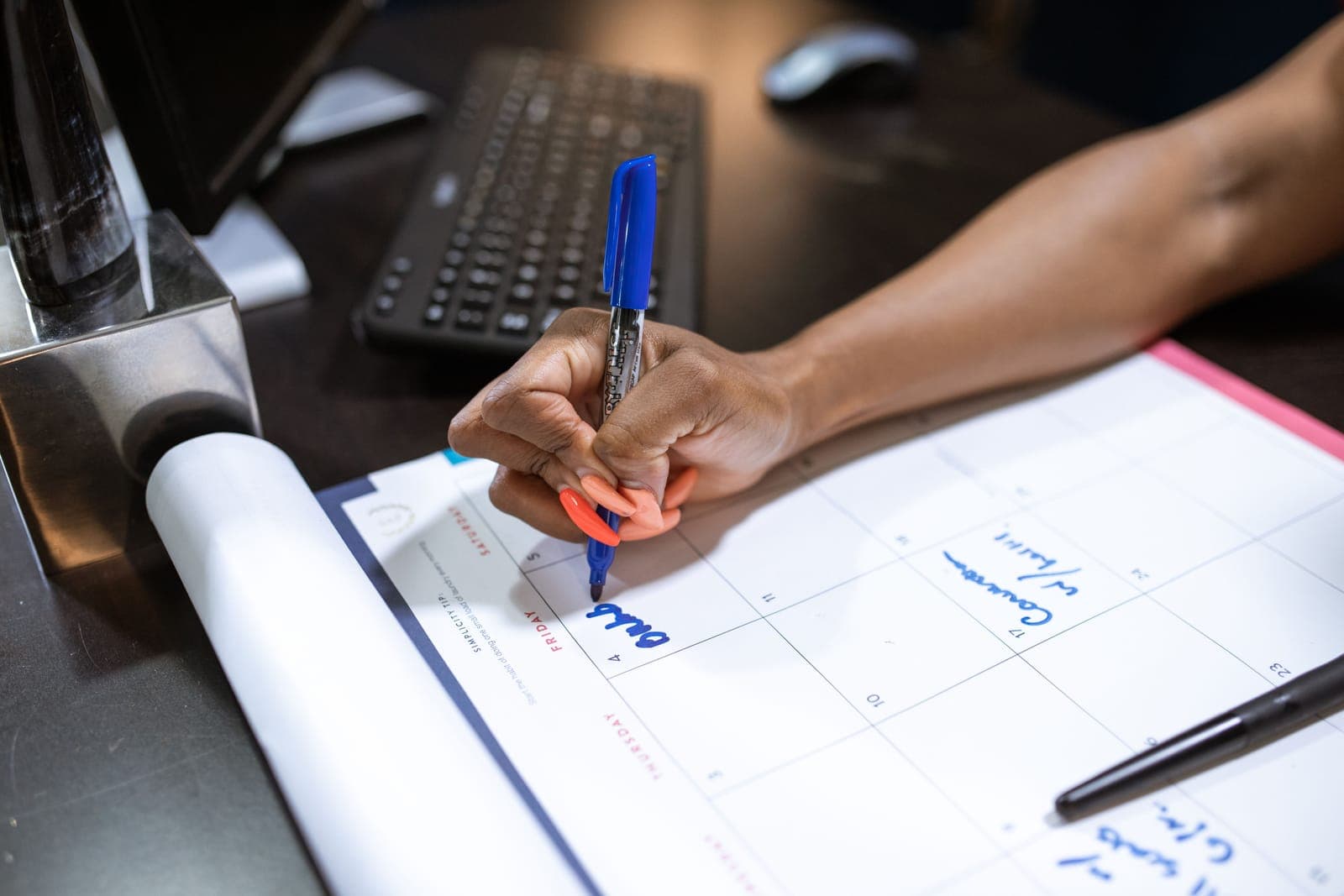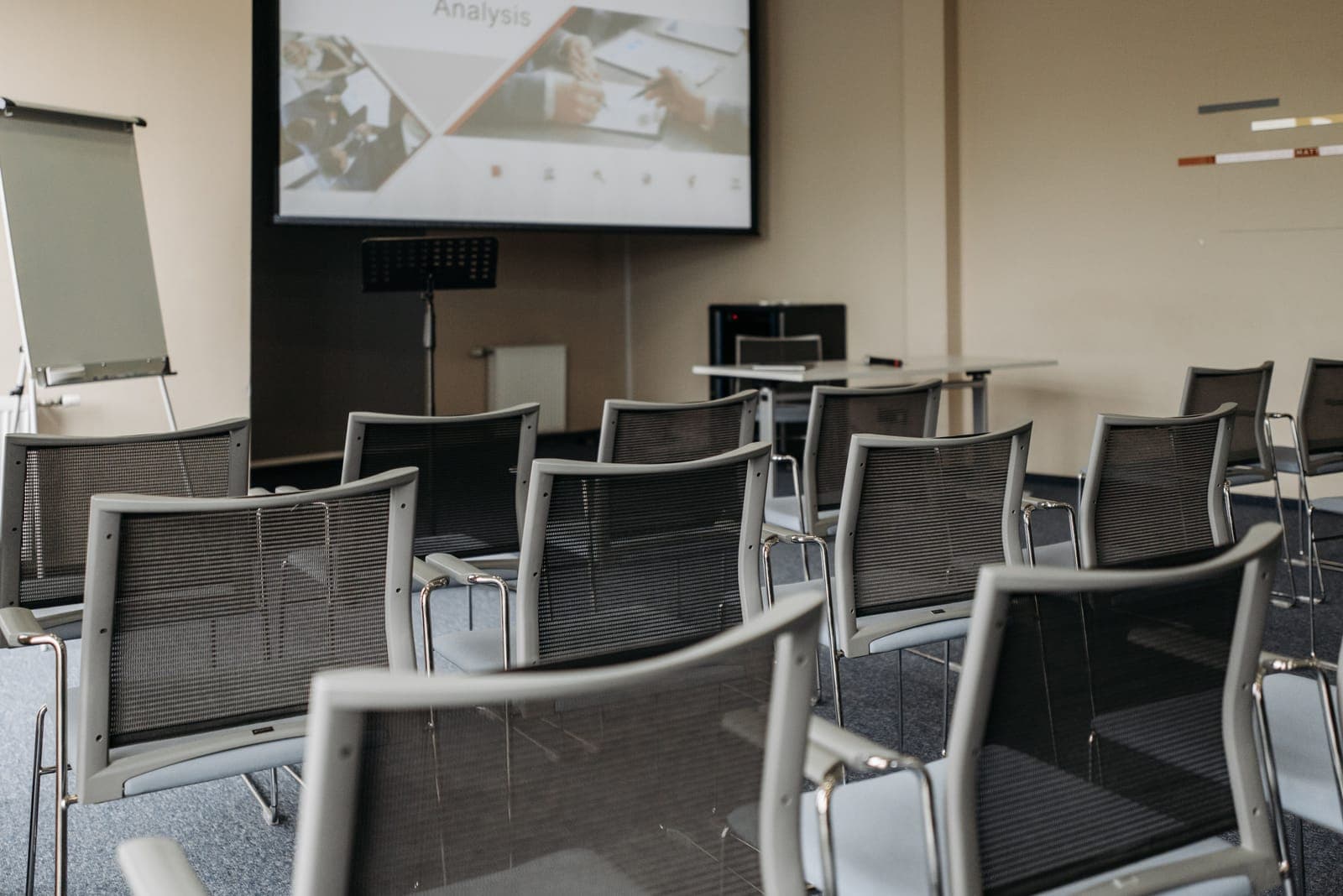
Someone hands you a date and a rough idea. "We are running a conference in October. Can you own it?" Now you have a blank document, a hundred decisions, and no obvious place to start.
Organizing an event is not one big task. It is a sequence of smaller ones, run in the right order, so each decision sets up the next. Get the order wrong and you rebook a venue because the budget could not cover it, or you open registration before you know what people are registering for.
This guide walks the event planning process end to end, from the first goal to the post-event debrief. It works whether you are learning how to plan a corporate event, host a conference, or run your first community fundraiser. The events industry is a $1.48 trillion market in 2025, by SNS Insider's estimate, so there is no shortage of advice out there. What follows is the part that holds up under real deadlines.
How to organize an event, step by step
Seven steps, in order: set the goal, build the budget, work backward from the date, lock the venue and vendors, collect your speakers and their files, market and open registration, then run the day and close it out. Skip ahead if the early pieces are already settled. The steps still work as a checklist you return to.
Step 1: Set one measurable goal before anything else
Before you look at venues, write down what the event is for. Not "a great conference," but one specific, measurable outcome: 200 registered attendees by a set date, 40 qualified leads for the sales team, a fundraising figure hit. A SMART goal, meaning specific, measurable, achievable, relevant, and time-bound, gives you a number to steer by, as career guides like Indeed lay out.
The goal decides everything downstream. It tells you the budget, the size of the room, who you invite to speak, and how you will know afterward whether it worked. When two options compete later, the one that serves the goal wins.
Step 2: Build the budget, then guard it with a contingency fund
List every cost before you commit to any of them: venue, food and beverage, speakers, staging and audio-visual, marketing, staff, insurance, and the small line items that add up. Food and beverage alone often takes close to a third of the total, so price it early rather than as an afterthought.
Then hold back 10 to 15 percent as a contingency. Something always moves. A price rises, a vendor falls through, the weather forces a change. The planners who avoid a scramble are the ones who left themselves room. Commit to the non-negotiables first, the venue and catering, before you sign a high-profile speaker or a nice-to-have.
Step 3: Work backward from the date to set your timeline
Your event planning timeline runs backward from event day. How much runway you need depends on scale. Large conferences and galas usually need 6 to 12 months, mid-sized events 3 to 6 months, and small internal events or webinars 4 to 8 weeks. Popular venues and keynote speakers book out further than that, so the big commitments come first.
Set your dated milestones now: venue booked, speakers confirmed, registration open, agenda locked, files collected, final run-through. Open registration around 3 to 6 months out for a large event, with an early-bird window, and much closer in for a small one. A shared event planning checklist keeps these dates in one place your whole team can see.
Step 4: Lock the venue, date, and your key vendors
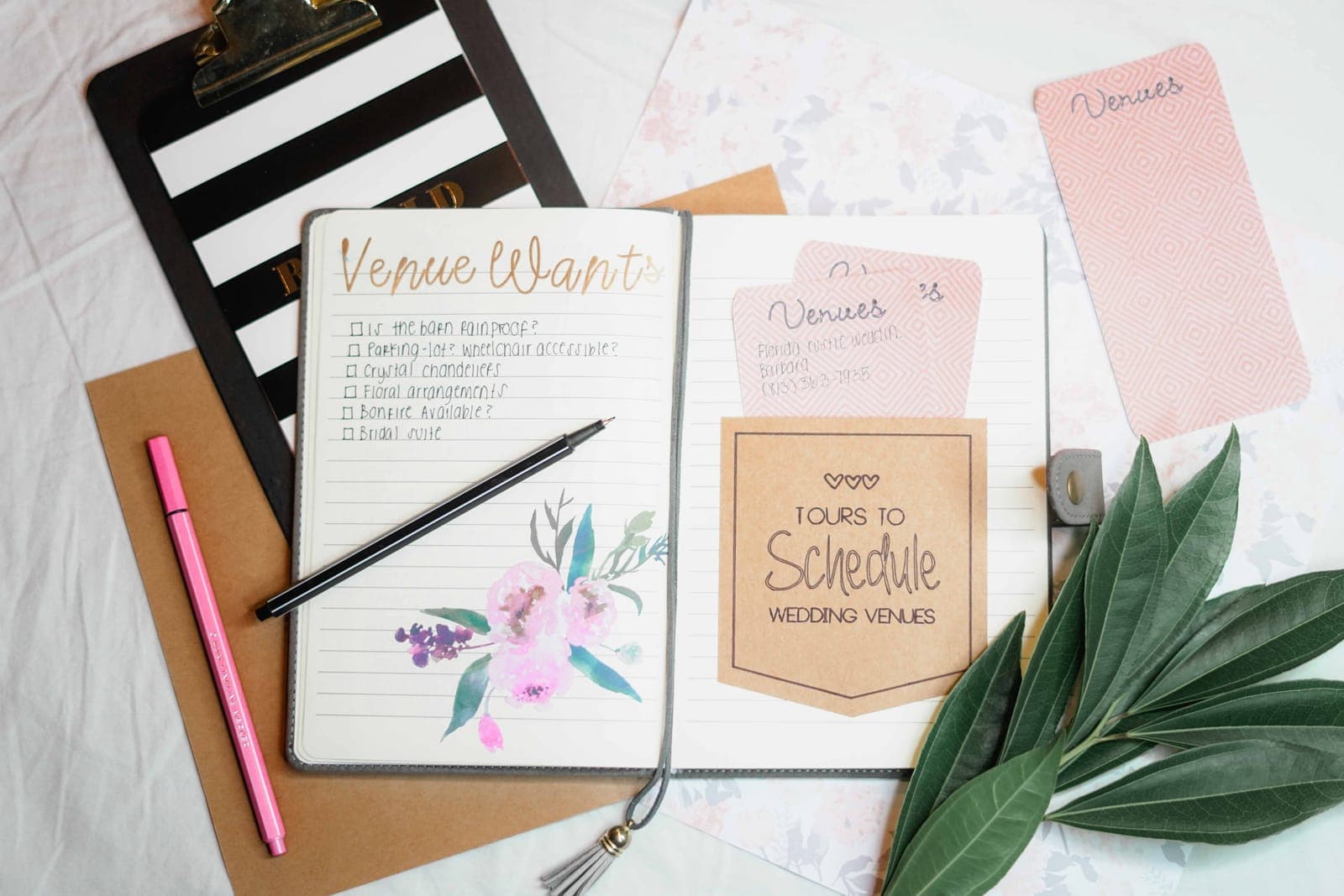
With a budget and a timeline in hand, book the venue and confirm the date. The venue shapes your event logistics: capacity, layout, catering rules, load-in times, audio-visual, parking, and accessibility. Walk it in person if you can, and ask what is and is not included, since a low room rate can hide charges for tables, power, or overtime.
Confirm your major vendors in the same window: caterer, audio-visual, and a show-services supplier for larger builds. Get every commitment in writing, and note which contracts carry a deposit or a cancellation clause.
Step 5: Line up speakers and collect their files early
Once speakers are confirmed, you need things from each of them: a headshot, a bio, a session title, and their slides. This is where a lot of planners lose a week. Files come in late, named some version of "final_v2.pptx," with no clue which session they belong to, so you open each one to sort it by hand.
Start collecting earlier than feels necessary, and give every submitter one clear place to send everything. We built Submitto for exactly this part. Files arrive named your way and sorted by session, and you can see who has not sent theirs yet without keeping a side spreadsheet. Those same files feed the agenda and the run of show later, so collecting them cleanly now saves you twice.
Step 6: Market the event and open registration
Now you have something to promote. Build a simple registration page, write the description around the goal from Step 1, and open registration on the date your timeline set.
Match the promotion to the audience. An internal corporate event may need one good email and a calendar hold. A public conference needs a longer runway, an early-bird window, and steady reminders. Track sign-ups against the number you set as your goal, so you can adjust the push if the pace is slow.
Step 7: Build a run of show, then run the day and close it out
A week out, turn your plan into a minute-by-minute run of show: what happens when, who owns each moment, and every audio-visual and speaker cue. Write a short contingency plan beside it. For each likely problem, a late speaker, a dead microphone, a rained-out session, name the trigger, the response, and the person responsible.
Then rehearse. Event guides recommend a full run-through 24 to 48 hours before, then a final check 30 to 60 minutes before doors. On the day, arrive early, keep one channel for live coordination, and carry spares of the things that fail: cables, batteries, microphones. Afterward, close it out properly. Settle vendor payments, send a post-event survey, and hold a short debrief while it is fresh. That record is where next year's plan starts.
If you remember one thing
Organize the work in order, and each step makes the next one easier. Set the goal, fund it with room to spare, build the timeline backward, then lock the venue, the people, and their files before you promote anything. The planners who look calm on event day are not lucky. They front-loaded the decisions. For the judgement calls inside those steps, and the mistakes that throw a day off schedule, read our event management tips.