Your event just ended. The team is exhausted, the venue is emptying, and everyone wants to go home. Within a week, half of what you learned today will be gone: why the registration line backed up, which vendor went quiet, why the afternoon room ran cold.
An event debrief is the one meeting that catches all of that before it fades. It is a short, honest review with the people who ran the event, held while the details are fresh, so this year's problems become next year's fixes instead of next year's surprises.
It is worth the hour. A 2013 meta-analysis in Human Factors by Scott Tannenbaum and Christopher Cerasoli reviewed 46 studies and found that teams who debrief outperform those who do not by about 25 percent. The catch is that a debrief only works if it is structured and honest, and if it ends in changes someone actually owns. This guide covers when to hold your event debrief, who to invite, the questions to ask, and how to turn the answers into a better next event.
What an event debrief is, and what it is not
An event debrief is an internal review. Your team looks back at how the event was planned and run, decides what to keep and what to change, and agrees on who does what before the next one. Some people call it a post-event review, a post-mortem, or an after-action review. The name matters less than the habit.
It is not the same as your attendee survey. A post-event survey collects event feedback from the people who attended: how they rated the sessions, the venue, the value. The debrief is where your team sits with that feedback, adds what only you saw from the inside, and decides what to do about it. Run both. The survey tells you how the event landed with the audience. The debrief turns that, plus your own notes, into a plan.
Schedule the event debrief before the event, and hold it fast
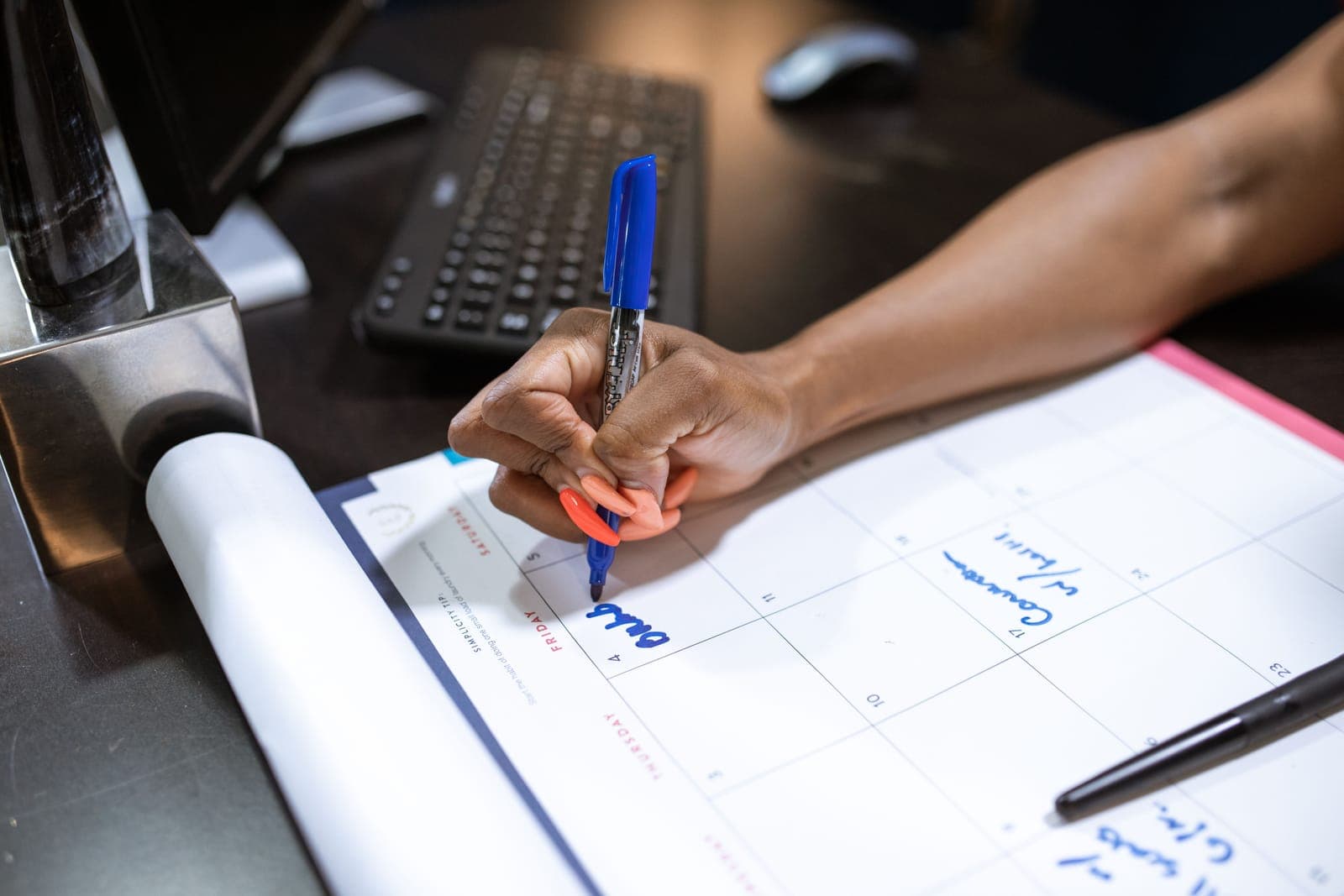
Put the debrief on the calendar while you are still planning the event, not after. Booking it up front does two things. It means the meeting actually happens once everyone is tired and scattered, and it tells the team to take notes during the event, knowing they will be asked. Harvard Business Review, writing about the Army's after-action reviews, makes the same point: the review works best when it starts at the beginning of the activity, not once it is over.
Then hold it fast. Memory fades quickly, so meet within a day or two, and within three days at the outside. Wait a week and the specifics blur into a general sense that it went fine, which is useless for fixing anything.
Before the meeting, pull your data together so you are working from facts, not impressions. Gather the attendance numbers, the budget against what you actually spent, the survey results if they are back, and any notes from the day. If chasing files was one of this year's headaches, write that down too. The slides that came in late, the sponsor video that never arrived, the AV team handed an unsorted folder on the morning of the show. That scramble lands on the debrief list every year until the collection itself changes. A workflow built for events is where it stops: you see who has and has not sent their files at a glance, send reminders in one click, and hand AV a folder already sorted by session.

Who to invite
Keep the debrief to the people who were in the trenches. Your core planning team is the heart of it. Add whoever owned a big piece of the event: the person who ran registration, your speaker lead, your point person for the venue or the platform. Where it helps, bring in the client and your key vendors, since they saw parts of the day you did not.
Keep the group small enough that everyone can talk. A debrief is a conversation, not a briefing. If the room is too big for the quiet people to speak up, you will only hear from the confident ones, and the quiet ones often noticed the most.
The four questions every debrief answers
You do not need a complicated agenda. The most durable structure comes from the U.S. Army's after-action review, and it is four questions:
- What did we plan to happen?
- What actually happened?
- Why was there a difference?
- What will we do differently next time?
Walk through the event in order, from planning to load-out, and run each major area through those four questions: registration, the venue, the agenda, speakers, catering, sponsors, AV. The first two questions sound obvious, but they matter. Agreeing on what actually happened, before anyone explains why, keeps the room on facts instead of blame.
If four questions feel too formal, a lighter version works for a small event: start, stop, continue. What should we start doing next time, what should we stop, and what worked well enough to keep. Either way the goal is the same, a short list of specific changes rather than a general feeling.
Keep it honest, not a blame session
A debrief only delivers that 25 percent if people tell the truth, and they will not if the meeting turns into a search for who to blame. Set the tone in the first five minutes. Start with what went well and name the people who made it happen. Then move to problems as problems with the system, not the person: the reason the line backed up, not whose fault the line was.
A few ground rules help. What is said in the debrief stays in the debrief. The most senior person names their own share of what went wrong first, out loud, which gives everyone else permission to do the same. And you review the wins as closely as the failures, because repeating what worked is as valuable as fixing what did not.

Turn the debrief into changes you will make
A debrief that ends in a good conversation and nothing else was a waste of everyone's afternoon. The value is in what happens next.
Before anyone leaves, turn the discussion into a short list of changes. Each one gets a name and a date: not "improve check-in," but "Maria redesigns the check-in layout by August 1." An action nobody owns will not happen. Harvard Business Review's research on after-action reviews is blunt about this: reviews surface plenty of lessons, but they only improve anything when the lessons are tied to specific future actions and someone is held accountable for them.
Write it up while it is fresh. A one-page debrief report is enough: the headline numbers, what worked, the two or three things you are changing, and who owns each. Send it to your team and to whoever funded the event. Keep it somewhere you will actually open when you start planning the next one, because a report that lives in a folder no one reopens is just a nicer way of forgetting.
If you remember one thing
Book the debrief before the event, hold it while the day is fresh, and do not end it until every change has a name and a date. The questions matter less than the habit of asking them and acting on the answers.