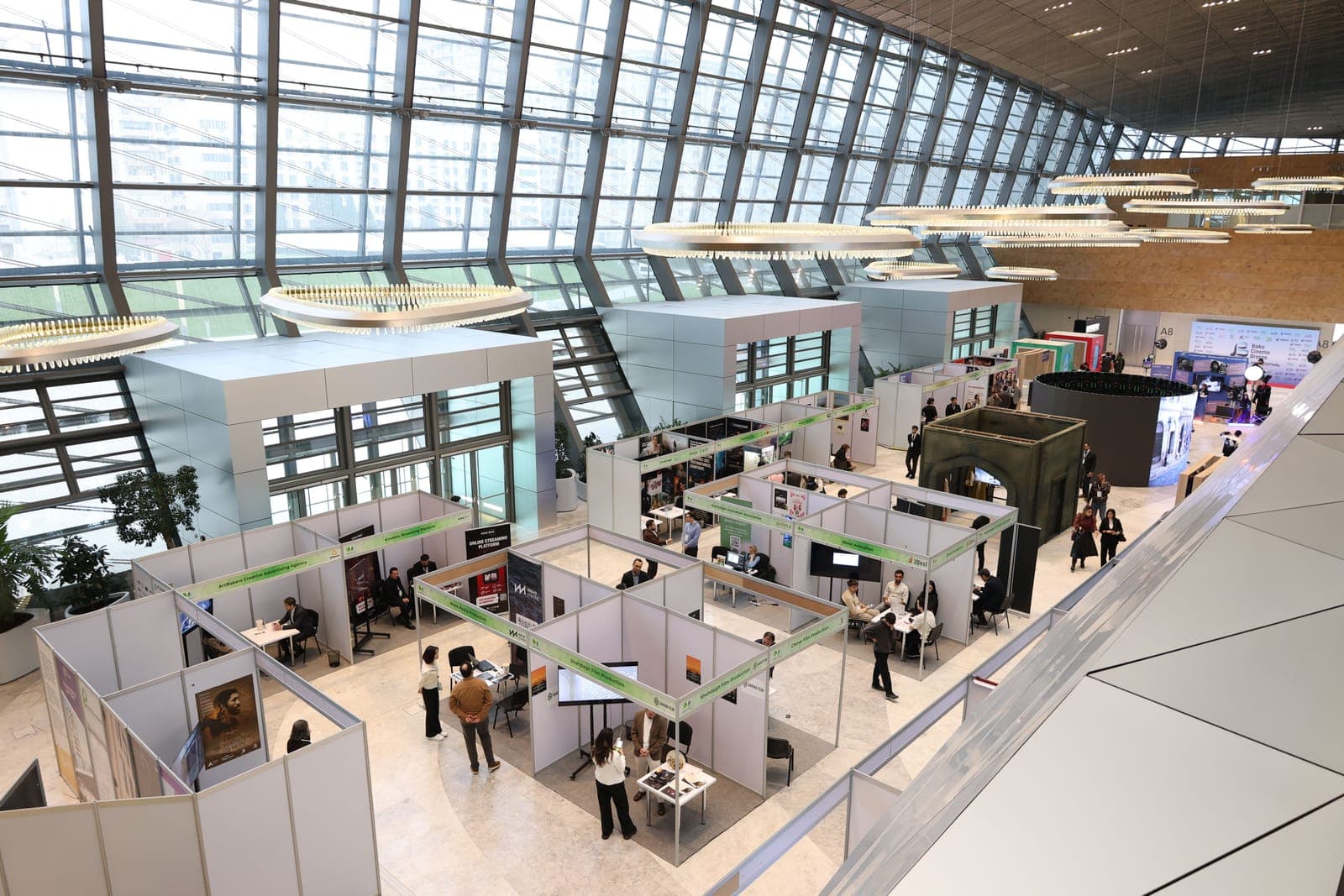
An exhibitor portal is the one place exhibitors go to send what a trade show needs from them and to see what they still owe. It replaces the stack of PDF forms and the email thread per booth. Some shows call it an exhibitor hub or an exhibitor service center.

What goes into an exhibitor portal
Most organizers collect these, and the details vary by show:
- Insurance certificate: proof of liability cover for the show dates. In the US and Canada this is a certificate of insurance (COI) that names you and the venue as additional insureds, so the exhibitor's policy also protects you. Shows there often ask for at least $1 million per incident. The cover a show asks for depends mostly on what is in the booth: live demonstrations, running machinery or food sampling usually call for more cover than a table of brochures.
- Logo and company description: for the show website and guide, in the size and format you set.
- Booth staff names: for badges.
- Booth plans: drawings for custom-built booths and the name of any outside contractor.
- Tax forms, if you pay the company: in the US, a W-9 from a US company or a W-8 from a foreign one.
Who saves effort, and who does the work
Exhibitors gain the most, since they see every deadline in one place. You decide what each company owes, then check each document as it arrives. A COI that leaves you or the venue off as additional insureds has to be redone. BUILDEX Vancouver wants certificates 30 days before the show, which leaves time for that fix. You also chase late companies, often without knowing who at each one does the uploading.
What it means for the organizer
For the full timeline, see how to plan a trade show from the organizer's side. With Submitto, each company opens a shared link, picks its name from a list and uploads, with no account. Files arrive renamed and filed under that company, and you see who still owes what.