You have been asked to plan a networking event, and the worry is always the same. A room where the three most confident people work the crowd, and everyone else stands near the food checking their phone. The idea on the invite matters less than whether people leave having actually met someone.
That is worth getting right, because networking is the main reason people come back. In Freeman's 2025 Networking Trends Report, 51% of attendees said successful networking is reason enough to return to an event, which Freeman calls the number one reason they come back. The same report found that nearly a third of younger professionals say the usual formats increase their anxiety instead of helping. So the format, not the venue, is what you are really choosing.
The networking event ideas below are grouped by how they get people talking. Pick the one that fits your crowd and your budget, then build in a little structure so the connections do not depend on luck.
Structured formats that make people meet
These formats remove the hardest part of networking, which is starting the first conversation. They work because no one has to walk up to a stranger cold.
- Speed networking. Short timed conversations, usually three to five minutes, then everyone rotates. In an hour a guest can meet eight to ten people instead of the two or three they would meet drifting around a room. Give each pair one prompt so they skip the weather and get to something useful.
- Topic tables or roundtables. Label a few tables with a theme, a role, or a question, and let people sit where they have something to say. A host at each table keeps it moving. This is what more than a third of Freeman's attendees asked for: networking that feels curated, not random.
- Curated introductions. Ask a question or two on the signup form, then hand a few people a name and a reason to find each other. Even three good introductions per guest changes how the night feels.
Networking ideas built around a shared activity
Harvard Business Review research on professional relationships found that people form the strongest, longest-lasting connections when they work on something that needs both of them. A shared task beats a name tag and a drink.
- A hands-on workshop or skill-share. People learn one concrete thing together, and the doing gives them something to talk about afterward.
- A give-back event. Pair the networking with a volunteering afternoon, a food-bank sort, or a park clean-up. Events built around a cause have grown fast, and people remember the group they packed boxes with.
- A cooking class, tasting, or local tour. A shared experience with a result at the end lowers the guard people keep at a formal mixer.
- Games or trivia in teams. Mixed teams put strangers on the same side in ten minutes, which is faster than most icebreakers.
Low-cost networking event ideas for small teams
You do not need a big budget or a big room. Some of the best networking events are small and cheap.
- A coffee morning or breakfast meetup. Early, short, and easy for people with commutes or families to attend.
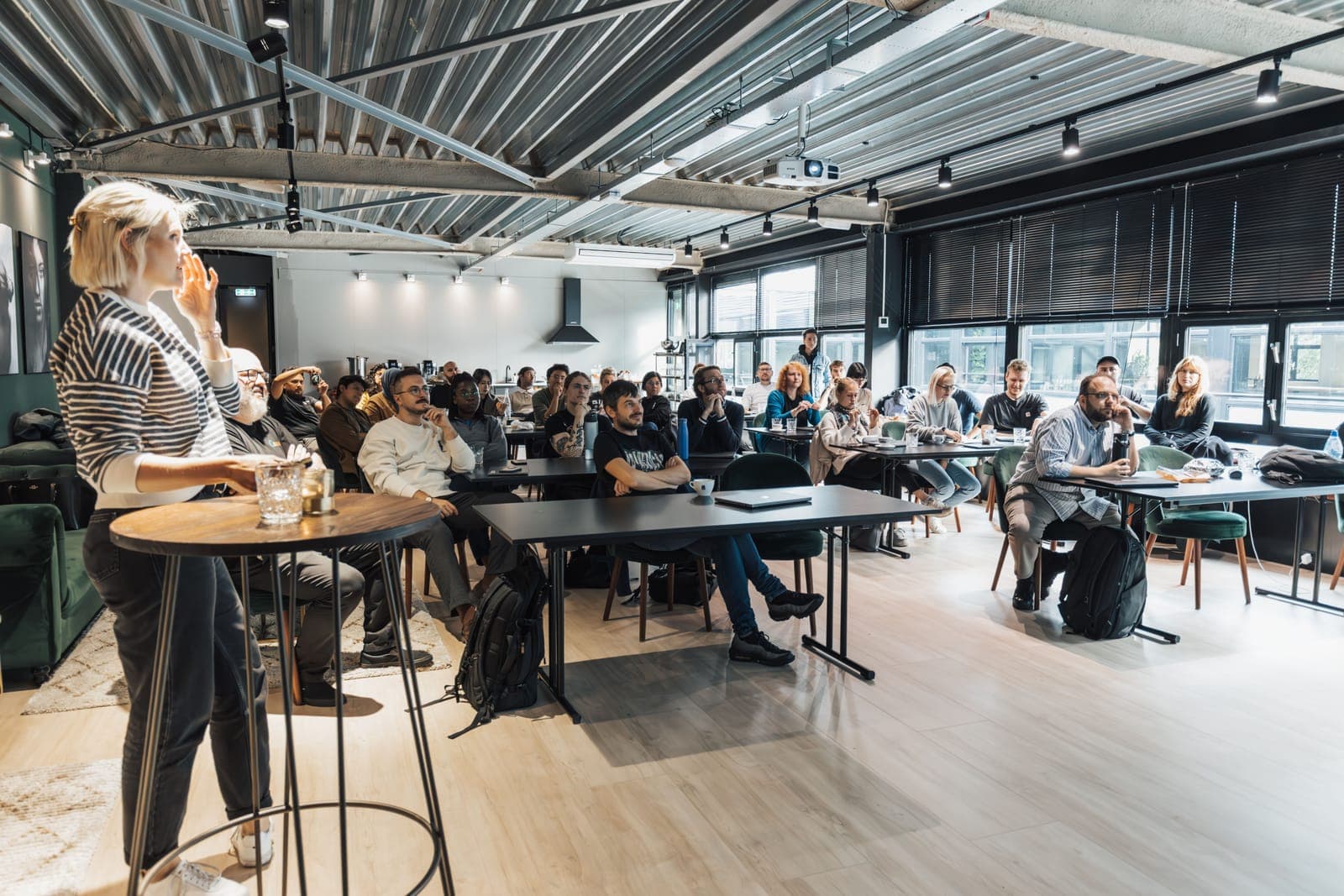
- A lunch-and-learn. One short talk, then open tables. The talk gives quieter guests a subject, so they are not starting from nothing.
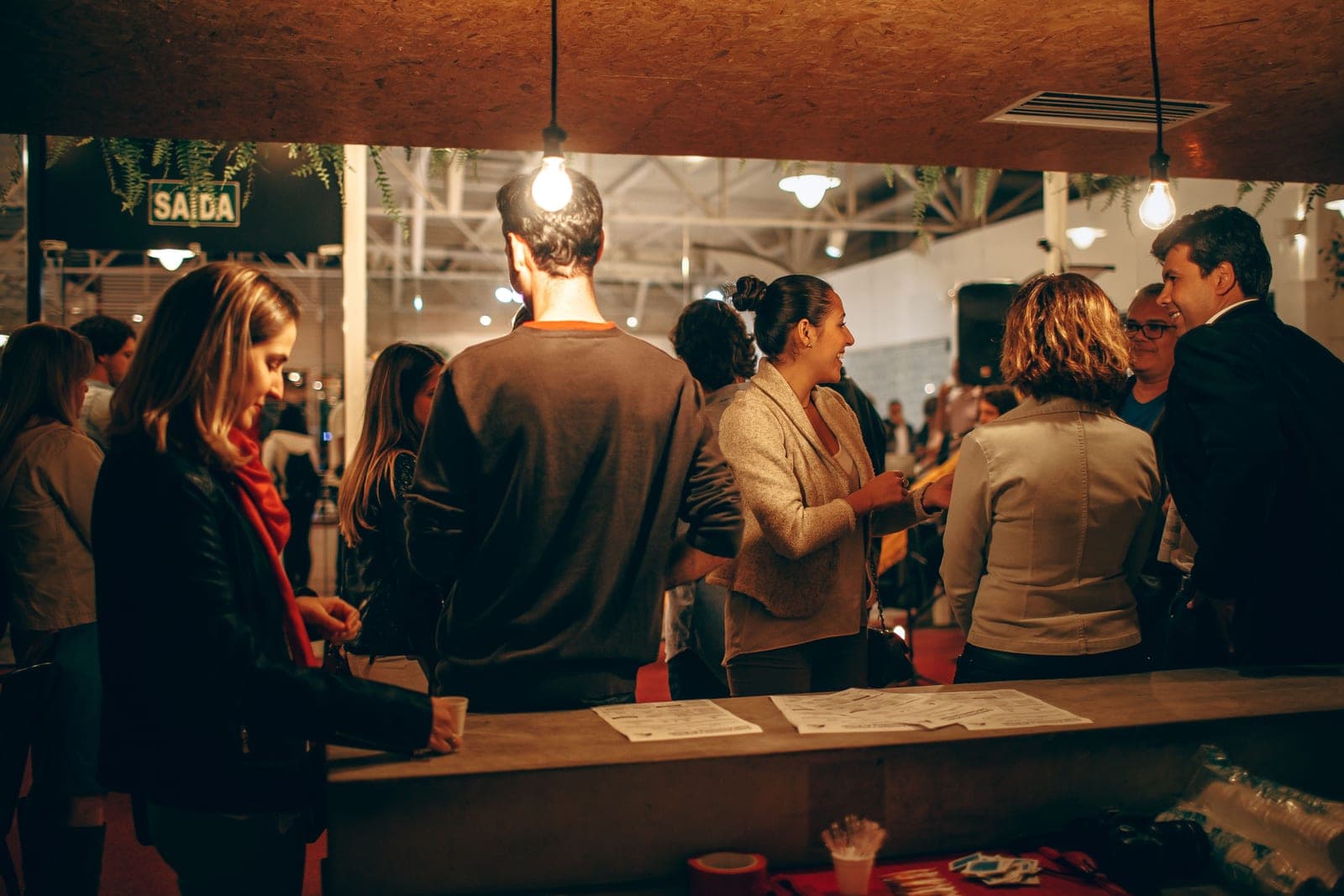
- An after-hours mixer with light structure. A local bar or your own office, plus one thing to do: a name-tag prompt, a raffle that mixes tables, a single question on the wall.
- A walk-and-talk or run club. Cheap, low pressure, and side-by-side conversation is easier than face-to-face for a lot of people.
Themed and niche networking events
Narrow the room and the conversations get better. People connect faster with others who share their work or their stage.
- An industry-specific meetup. Same field, real problems, honest talk. Small and specific beats large and general.
- A cross-industry mixer. Put different fields in one room for the unexpected introductions a same-industry crowd never sparks.
- An executive or peer roundtable. A small, closed session for people at the same level to work through a shared challenge. Keep it to about seven people.
- A mentor pairing round. Match senior and newer professionals for short one-on-ones. Both sides get something, and it is easier to approach than open networking.
Virtual and hybrid networking event ideas
Online networking is harder, so it needs more structure, not less. An open video call with thirty muted squares is not a networking event.
- Virtual speed networking. Timed breakout pairs with a prompt on screen. The software does the rotating, so people just talk.
- Themed breakout rooms. Small rooms by topic with a host in each, so no one lands in a silent room alone.
- Hybrid done right. If some people are remote, give them a real way in: a moderator watching the chat, and a few in-room people assigned to pull them into the conversation. Otherwise the remote guests are spectators, not participants.
How to make any networking event work
The idea is the easy part. A few design choices decide whether people actually connect.
Name the goal and the guest first. A room of one industry works differently from a mixed crowd, so invite for the connections you want, not for a big number. Structure the first twenty minutes, because that is when people decide whether to stay in it or retreat to their phone. Give everyone a reason to talk, a prompt, a task, or a table with a theme, so no one has to open cold. And plan the follow-up before the night, even if it is one email with everyone's names, since the connections that last are the ones that continue after people go home.
Once you have picked an idea, the planning is its own job, and our event planning checklist walks you through it phase by phase. If you want formats beyond networking, our corporate event ideas grouped by goal covers team building, learning, and celebration too.